
Building Wealth in the Digital Age: Navigating Uncertainty with Modern Strategies

The digital age has irrevocably transformed the financial landscape, offering unprecedented opportunities alongside new complexities. Today’s investor must navigate not only market volatility but also a rapidly evolving political and economic climate. Building wealth now demands a blend of time-tested principles and contemporary strategies that acknowledge these realities. 1. Leverage Fintech, but with a Critical Eye Fintech platforms offer incredible efficiency and access, but the landscape is increasingly crowded and subject to regulatory scrutiny. Robo-advisors, fractional share investing, and decentralized finance (DeFi) platforms are powerful tools. However, be discerning. Understand the underlying technology, the platform’s security measures, and the regulatory environment. The potential for scams and unregulated products is real, especially in the DeFi space. Look for platforms with strong track records and transparent fee structures. 2. Diversify Across Asset Classes, Including Alternatives Traditional diversification remains vital, but the definition of “traditional” is changing. Beyond stocks and bonds, consider alternative assets like real estate (through REITs or crowdfunding), commodities, and even carefully vetted cryptocurrency investments. Inflationary pressures and geopolitical instability can erode the value of traditional assets, making alternatives a crucial hedge. Remember, alternatives often come with higher risk and lower liquidity, so allocate accordingly. 3. Understand Macro Trends and Geopolitical Risks The globalized economy is increasingly influenced by political events and macroeconomic trends. Inflation, interest rate hikes, supply chain disruptions, and international conflicts can all significantly impact investment portfolios. Stay informed about these developments and understand how they might affect your investments. This doesn’t mean becoming a day trader, but it does mean considering the broader context when making investment decisions. 4. Embrace Sustainable and Impact Investing Environmental, Social, and Governance (ESG) factors are no longer a niche concern; they are becoming mainstream. Investors are increasingly demanding companies that prioritize sustainability and ethical practices. Consider incorporating ESG criteria into your investment strategy. Not only can this align your investments with your values, but it can also potentially lead to long-term financial outperformance as sustainable businesses become more resilient in a changing world. 5. Prioritize Financial Literacy and Digital Security In the digital age, financial literacy is paramount. Understand the fundamentals of investing, personal finance, and the risks associated with different asset classes. Equally important is digital security. Protect your accounts with strong passwords, enable multi-factor authentication, and be wary of phishing scams. The sophistication of cyber threats is constantly evolving, so stay vigilant and update your security practices regularly. 6. Prepare for Inflation and Potential Economic Slowdowns The current economic climate is characterized by high inflation and the potential for recession. Consider strategies to protect your portfolio from these risks, such as investing in inflation-protected securities (TIPS), commodities, or value stocks. Building a cash reserve can also provide a buffer during economic downturns and allow you to capitalize on investment opportunities when they arise. The key is to adapt, learn, and remain disciplined in your investment strategy.
Debunking the Top 3 Myths of the Stock Market

Investing in the stock market can be a daunting task, especially for beginners. With a plethora of information available, it’s easy to fall prey to misconceptions that can cloud judgment and lead to poor investment decisions. In this post, we’ll debunk three common myths about the stock market to help you navigate the investing landscape with confidence. Myth 1: You Need to Be Rich to Invest in the Stock Market One of the most pervasive myths is that you need substantial wealth to begin investing. In reality, many platforms allow you to start investing with as little as $1. The rise of fractional shares means you can buy a portion of expensive stocks, making it more accessible for everyone. Additionally, various investment apps offer low fees and user-friendly interfaces, further democratizing access to the market. You don’t need to wait until you have a large sum; starting small can lead to significant growth over time. Myth 2: Timing the Market is Essential for Success Many believe that successful investing hinges on the ability to time the market perfectly—buying low and selling high. This myth can lead to a fear of missing out (FOMO) or panic selling during downturns. However, studies have shown that attempting to time the market often results in missed opportunities. A more effective strategy is to adopt a long-term perspective. Dollar-cost averaging—investing a fixed amount regularly—can help mitigate the risks associated with market volatility and take advantage of market fluctuations over time. Myth 3: Stocks are Too Risky for the Average Investor While it’s true that the stock market can be volatile, dismissing it as too risky overlooks the historical performance of equities. Over the long term, stocks have consistently outperformed other asset classes, such as bonds and cash. The key is to diversify your portfolio to manage risk effectively. By spreading investments across various sectors and asset classes, you can reduce the impact of any single investment’s poor performance. Additionally, understanding your risk tolerance and investment goals can help you make informed decisions that align with your financial plans. Navigating the stock market may seem intimidating, but dispelling these myths can help you approach investing with greater confidence. You don’t need a large fortune to get started; even small investments can grow over time. Forget the pressure of trying to time the market perfectly—focus instead on a long-term strategy that includes regular contributions and diversification. By understanding your risk tolerance and setting clear financial goals, you can harness the potential of the stock market to build wealth. Embrace the journey of investing, and remember that informed decisions are key to achieving your financial aspirations. Happy investing!
What is a Meme Coin and Why Its Popularity Increased After Trump’s Inauguration Day 2025

In the ever-evolving landscape of cryptocurrency, few phenomena have captured the public’s imagination quite like meme coins. These digital assets, often created as jokes or parodies, have surged in popularity, particularly in the aftermath of significant cultural events. The inauguration of Donald Trump on January 20, 2025, marked a pivotal moment for meme coins, igniting discussions about their relevance and impact in the crypto market. Understanding Meme Coins Meme coins are cryptocurrencies that draw inspiration from internet memes or popular culture. Unlike traditional cryptocurrencies such as Bitcoin or Ethereum, which are built on robust technological foundations and serve serious financial purposes, meme coins often lack utility. Instead, their value is typically driven by social media buzz, community engagement, and speculative trading. Some of the most well-known meme coins include Dogecoin (DOGE) and Shiba Inu (SHIB). Initially created as jokes, these coins gained massive followings, fueled by viral marketing and endorsements from high-profile figures, including Elon Musk. The Trump Factor The resurgence of meme coins post-Trump’s inauguration can be attributed to several factors: 1. Political Polarization and Pop Culture Trump’s return to the political forefront reignited fervent discussions across social media platforms. His supporters often use humor and memes to rally each other, creating an environment ripe for meme coins to thrive. The blend of politics and pop culture has proven to be a potent mix, leading to an increase in meme coin trading as people sought to express their opinions and engage in the discourse through financial means. 2. Community Engagement Meme coins are inherently community-driven. With Trump’s inauguration, many new investors, particularly younger ones, found themselves drawn to the participatory nature of these coins. Online communities on platforms like Reddit and Discord saw increased activity, fostering a sense of belonging and camaraderie among investors. This collective enthusiasm translated into rising market prices for various meme coins, as more individuals jumped on the bandwagon. 3. Speculative Trading In an era where traditional financial markets have shown volatility, many investors are turning to alternative assets. Meme coins, often characterized by their low entry barriers and the potential for explosive growth, have become attractive to speculators looking to capitalize on short-term gains. The combination of Trump’s polarizing presidency and the allure of meme coins created a unique atmosphere for speculative trading, resulting in higher trading volumes and price surges. The Risks and Rewards While the allure of meme coins can be tempting, potential investors should approach with caution. The volatility that drove prices up can just as easily lead to significant losses. Additionally, the lack of inherent value makes meme coins susceptible to market manipulation and pump-and-dump schemes. Furthermore, as meme coins become more mainstream, regulatory scrutiny may increase, adding another layer of risk for investors. The world of meme coins is a fascinating intersection of finance, culture, and technology. The spike in popularity following Trump’s inauguration highlights the power of social media and community engagement in driving market trends. As we move forward, only time will tell whether these digital assets will maintain their relevance or fade back into obscurity. For now, meme coins remain a captivating, albeit risky, part of the cryptocurrency landscape, driven by the whims of culture and the fervor of their communities. As always, potential investors should conduct thorough research and consider the risks before diving into this volatile market.
ETFs: Improve Your Strategy One Step at a Time

Exchange-Traded Funds (ETFs) have become increasingly popular among investors looking to diversify their portfolios and implement effective investment strategies. Whether you’re a seasoned investor or just starting out, understanding how to leverage ETFs can significantly enhance your investment approach. In this post, we’ll explore how you can improve your investment strategy with ETFs, one step at a time. Understanding ETFs Before diving into strategies, it’s essential to grasp what ETFs are. An ETF is a type of investment fund that is traded on stock exchanges, much like individual stocks. They hold a collection of assets, such as stocks, bonds, or commodities, and offer investors a way to invest in a broad market or specific sector without needing to buy each individual asset. Benefits of ETFs 1. Diversification: By investing in an ETF, you can gain exposure to a wide range of assets, which helps reduce risk. 2. Cost Efficiency: ETFs typically have lower expense ratios compared to mutual funds, making them a cost-effective choice for many investors. 3. Liquidity: ETFs can be bought and sold throughout the trading day, providing flexibility similar to stocks. 4. Transparency: Most ETFs regularly disclose their holdings, allowing investors to see where their money is going. Step-by-Step Strategy Improvement Step 1: Define Your Investment Goals Before you start investing in ETFs, take a moment to clarify your financial goals. Are you looking for long-term growth, income generation, or capital preservation? Knowing your objectives will help you choose the right ETFs that align with your strategy. Step 2: Research and Select the Right ETFs Once you have your goals in mind, research different ETFs to find those that suit your needs. Consider factors such as: – Expense Ratios: Look for ETFs with low fees.– Performance History: While past performance isn’t indicative of future results, it can provide insights into how the ETF has performed in various market conditions.– Underlying Assets: Ensure that the ETF’s holdings align with your investment strategy. Step 3: Diversify Your ETF Holdings Avoid putting all your eggs in one basket. Consider diversifying across different sectors, asset classes, and geographic regions. This strategy can help mitigate risk and improve your chances of achieving consistent returns. Step 4: Monitor Your Investments Regularly review your ETF holdings to ensure they are performing as expected and align with your investment goals. Be prepared to make adjustments if certain ETFs aren’t meeting your criteria or if market conditions change. Step 5: Rebalance Your Portfolio As market conditions fluctuate, the allocation of your investments may shift. Periodically rebalancing your portfolio ensures that you maintain your desired risk level and investment strategy. This may involve selling some ETFs and buying others to keep your asset allocation in check. Step 6: Stay Informed and Educated The investment landscape is constantly evolving. Stay informed about market trends, economic indicators, and changes in ETF offerings. Continuous education will empower you to make better investment decisions and adapt your strategy as needed. Investing in ETFs can be a powerful way to enhance your investment strategy. By taking it one step at a time—defining your goals, researching ETFs, diversifying your holdings, monitoring your investments, rebalancing your portfolio, and staying informed—you can build a robust investment strategy that aligns with your financial objectives. Remember, patience and discipline are key. As you become more comfortable with ETFs and your investment strategy evolves, you’ll be better equipped to navigate the complexities of the financial markets. Happy investing!
What is After-Hours Trading and How Does It Influence Stock Prices?

In the world of finance, trading doesn’t stop when the stock market closes. After-hours trading allows investors to buy and sell securities outside the standard trading hours of major exchanges like the New York Stock Exchange (NYSE) and the Nasdaq. But what exactly does after-hours trading entail, and how does it influence stock prices? Understanding After-Hours Trading After-hours trading typically occurs from 4 PM to 8 PM EST, following the regular market hours of 9:30 AM to 4 PM EST. This extended trading period allows investors to react to news and events that may occur after the market closes, such as earnings reports, economic data releases, or geopolitical events. How Does It Work? After-hours trading is facilitated by electronic communication networks (ECNs) that match buyers and sellers directly. Unlike the regular market, where orders are matched in a centralized exchange, ECNs allow for trading in a more decentralized manner. This means trades can be executed even if the official market is closed, providing greater flexibility for investors. Key Features of After-Hours Trading 1. Less Liquidity: One of the most significant differences in after-hours trading is liquidity. There are typically fewer participants, leading to wider bid-ask spreads and potentially more volatile price movements. 2. Price Volatility: Prices can fluctuate dramatically in after-hours sessions. An earnings report that beats or misses expectations can lead to substantial price changes in a short period. 3. Limited Order Types: Most after-hours trading platforms allow only limit orders to prevent unexpected price movements. Does After-Hours Trading Influence Stock Prices? Immediate Impact After-hours trading can have a significant immediate impact on stock prices. For instance, if a company reports better-than-expected earnings after the close, the stock may jump in price during after-hours trading. Conversely, disappointing news can lead to a sharp decline. These price movements can create a ripple effect when the market opens the next day, influencing the stock’s opening price and potentially its trajectory for the following days. Market Sentiment After-hours trading can also reflect overall market sentiment. If a majority of trades during this time are bullish (buying), it may indicate positive investor sentiment that could carry over into the next trading day. Conversely, bearish trading activity can signal caution or pessimism among investors. Influence on Analysts and Institutions Institutional investors and analysts often monitor after-hours trading closely. Significant movements can prompt them to adjust their recommendations or target prices based on the latest information. This can further influence trading behavior when the market reopens. Risks of After-Hours Trading Despite its advantages, after-hours trading comes with risks: – Higher Volatility: The lower volume can lead to sharp price movements that may not reflect the underlying value of the stocK.– Less Transparency: With fewer participants, it can be challenging to gauge the true market sentiment.– Emotional Trading: Investors might react impulsively to news, leading to poor decision-making. After-hours trading offers a unique opportunity for investors to respond to news and events outside regular trading hours. While it can influence stock prices significantly, it also comes with increased volatility and risks. Understanding these dynamics is crucial for anyone looking to participate in after-hours trading. As with all investment strategies, informed decision-making and risk management are key to navigating this complex landscape.
Bitcoins: Dos and Don’ts for 2024
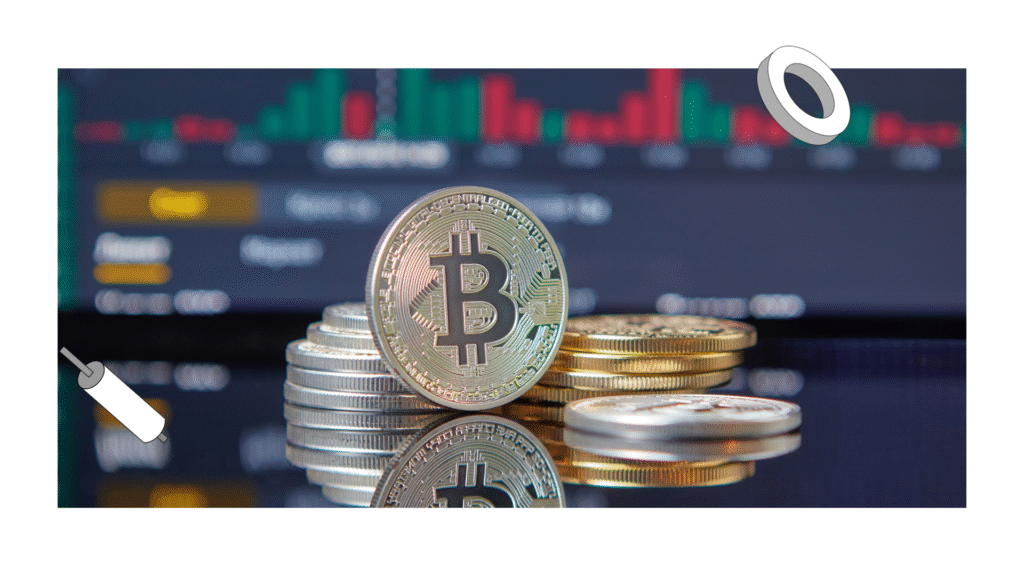
As Bitcoin continues to evolve, it remains an exciting yet complex asset for investors and enthusiasts alike. Whether you’re a seasoned trader or a curious newcomer, understanding the key dos and don’ts can help you navigate the cryptocurrency landscape more effectively in 2024. Here’s a guide to make the most of your Bitcoin experience. Do’s 1. Do Your Research Understanding Bitcoin’s fundamentals is crucial. Familiarize yourself with how it works, the technology behind it (like blockchain), and the factors that influence its price. Follow reputable news sources and join communities to stay informed. 2. Do Use Secure Wallets Security should be your top priority. Use hardware wallets for long-term storage and ensure you enable two-factor authentication (2FA) on any exchange or online wallet you use. Regularly update your software to protect against vulnerabilities. 3. Do Diversify Your Investments While Bitcoin can be a lucrative investment, it’s essential to diversify your portfolio. Consider allocating only a portion of your investment to Bitcoin and exploring other cryptocurrencies or asset classes to spread risk. 4. Do Stay Updated on Regulations Cryptocurrency regulations are constantly changing. Keep an eye on the legal landscape in your country and globally. Understanding regulatory developments can help you make informed decisions and avoid potential pitfalls. 5. Do Set Realistic Goals Investing in Bitcoin can be volatile. Set realistic profit and loss targets and stick to your strategy. Avoid making impulsive decisions based on short-term market fluctuations. Don’ts 1. Don’t Invest More Than You Can Afford to Lose Bitcoin is known for its price volatility. Only invest money that you can afford to lose without compromising your financial stability. This mindset can help you avoid emotional decision-making during market downturns. 2. Don’t Fall for Scams The crypto space is rife with scams, including phishing attempts and fraudulent investment schemes. Always verify the legitimacy of platforms and offers before investing. If something sounds too good to be true, it probably is.3. Don’t Ignore Tax Implications Bitcoin transactions can have tax consequences. Keep accurate records of your trades and consult a tax professional to understand your obligations. Ignoring tax responsibilities can lead to costly penalties. 4. Don’t Chase FOMO Fear of missing out (FOMO) can lead to hasty decisions. Avoid buying Bitcoin purely based on hype or trends. Stick to your research and investment strategy instead of getting swept up in market excitement. 5. Don’t Neglect Ongoing Learning The cryptocurrency world is rapidly changing. Commit to continuous learning about new technologies, market trends, and investment strategies. Engaging with educational content can help you adapt and thrive in this dynamic environment. As we move into 2024, the Bitcoin landscape offers both opportunities and challenges. By following these dos and don’ts, you can navigate the complexities of Bitcoin investment with greater confidence. Stay informed, prioritize security, and always approach your investments with a balanced perspective. Happy investing!
Simple Rules to Invest in the Hot Summer Months

Summer is here, and with the hot weather comes new opportunities for savvy investors. While the markets can be a bit more volatile during the summer, there are some simple rules you can follow to make the most of your investments during this time of year. 1. Stay Diversified One of the keys to successful investing is maintaining a diversified portfolio. This is especially true during the summer months when certain sectors may experience more volatility than others. By spreading your investments across different asset classes and industries, you can help mitigate risk and smooth out any bumps in the road. 2. Focus on Defensive Sectors During the summer, investors tend to flock to more defensive sectors like consumer staples, healthcare, and utilities. These industries are often less sensitive to economic fluctuations and can provide a bit more stability when the markets get choppy. Consider allocating a portion of your portfolio to these types of companies. 3. Don’t Panic It’s easy to get caught up in the day-to-day noise of the markets, especially during the summer when trading volume can be lower. However, it’s important to keep a level head and not make any rash decisions. Stick to your long-term investment strategy and avoid the temptation to make drastic changes based on short-term volatility. 4. Revisit Your Asset Allocation The start of summer is a great time to review your asset allocation and make any necessary adjustments. Consider rebalancing your portfolio to ensure it still aligns with your risk tolerance and investment goals. This can help you stay on track and ensure your investments are positioned for success in the coming months. 5. Don’t Forget to Enjoy the Summer! While it’s important to stay diligent with your investments, don’t forget to take some time to enjoy the summer months. Step away from the markets periodically, recharge, and come back refreshed and ready to tackle the second half of the year. By following these simple rules, you can help navigate the summer investing landscape and position your portfolio for success. Happy investing, and enjoy the warm weather!
5 Tips to Choose the Right Investment Opportunities

Making the right investment decisions can go a long way in growing your wealth over the long run. However, with so many options out there it can be difficult to separate quality opportunities from poorer ones. Here are 5 tips to help you choose the right investment opportunities: 1. Understand your goals and risk tolerance. The first step is to clearly define your financial goals and how much risk you are comfortable taking on. Are you saving for retirement decades away or need access to funds in a few years? Your goals and timeline will dictate the types of investments suitable for your situation. Consider your ability to withstand potential short-term losses. 2. Do your research. Don’t invest in anything you don’t fully understand. Thoroughly research any potential investment opportunity, looking at key factors like historical returns, expenses, management track record, growth prospects and risks. Read independent analyses, check company financials, and understand how the investment makes money. 3. Diversify your portfolio. Don’t put all your eggs in one basket. A diversified portfolio spread across various asset classes, sectors and individual holdings can help reduce your overall risk. Consider mutual funds or ETFs to easily build a diversified portfolio aligned with your goals and risk tolerance. 4. Look for value. Only invest in opportunities you believe are undervalued relative to their potential. Consider the interplay between an investment’s growth outlook, risks and the price you are paying. Be wary of chasing the hottest performing assets as valuations may already be extended. 5. Rebalance regularly. Markets and the economy are constantly evolving which may lead your portfolio to deviate from your intended asset allocation over time. Periodically rebalance to maintain the original desired percentages in each asset class and fund. This helps lock in some gains while buying low and selling high over the long run. Make sure to manage key risks when researching investment opportunities: By keeping these tips (and risks) in mind, you can make well-informed investment decisions and choose opportunities better aligned to your financial objectives and risk profile. Always remember that patience and discipline are keys to successful long-term investing.
Pros and Cons of Creating Your Own Investment Strategy

For many investors, the prospect of designing an entirely self-made investment strategy seems both thrilling and terrifying. On one hand, you have full control over your portfolio and can tailor it exactly to your goals and risk tolerance. But is rolling your own always better than relying on the expertise of financial professionals? Here are some key pros and cons to consider. CONS: PROS:
Things I’ve Learned About Trading I Wish I Knew in My 20s

Trading can be an exciting and potentially lucrative endeavor, but it also comes with its fair share of challenges and risks. As someone who has gained experience in trading over the years, I often find myself reflecting on the lessons I wish I had known in my 20s. In this blog post, I will share some insights and wisdom that could have helped me navigate the world of trading more effectively and avoid common pitfalls. Whether you’re a novice trader or someone looking to enhance their trading skills, these lessons can serve as valuable guidance for a successful trading journey. 1. Patience is a Virtue: One of the most crucial lessons I’ve learned is the importance of patience in trading. In my 20s, I was often eager to make quick profits and would jump into trades without thoroughly analyzing the market or developing a solid trading plan. However, I’ve come to realize that successful trading requires patience and discipline. Taking the time to research, analyze trends, and wait for the right opportunities can significantly increase the likelihood of making successful trades. 2. Risk Management is Key: Understanding and implementing proper risk management strategies is vital in trading. In the early stages of my trading journey, I didn’t fully appreciate the significance of managing risk. I would often invest a significant portion of my capital in a single trade, exposing myself to unnecessary risk. Over time, I’ve learned the importance of diversification, setting stop-loss orders, and managing position sizes to protect my capital and minimize potential losses. 3. Emotions Can Be Detrimental: Controlling emotions is a skill that is often underestimated in trading. In my 20s, I would let fear and greed influence my trading decisions, leading to impulsive and irrational choices. It is essential to develop emotional discipline and stick to a well-defined trading plan, regardless of market fluctuations or external influences. Being aware of emotions and keeping them in check can help maintain a rational and objective mindset in trading. 4. Continuous Learning is Essential: Trading is a dynamic field, and staying updated with market trends, strategies, and new technologies is crucial for long-term success. In my 20s, I didn’t fully appreciate the value of continuous learning. However, I’ve come to realize that staying curious, reading books, attending webinars, and engaging with the trading community can provide valuable insights and help refine trading strategies. 5. Adaptability and Flexibility: Markets are constantly evolving, and what works today may not work tomorrow. In my 20s, I often stuck to rigid trading strategies without adapting to changing market conditions. Embracing adaptability and flexibility is critical in trading. Being open to adjusting strategies, learning new techniques, and being able to pivot when needed can help navigate market fluctuations and maintain a competitive edge. Trading can be a challenging but rewarding journey. Reflecting on my experiences, I’ve learned valuable lessons that I wish I had known in my 20s. Patience, risk management, emotional discipline, continuous learning, adaptability, and flexibility are crucial aspects of successful trading. By incorporating these lessons into your trading approach, you can improve your decision-making, minimize risks, and increase your chances of achieving long-term success. Remember, trading is a journey of growth and learning, and embracing these lessons will help you navigate the markets with greater confidence and resilience.